For many people entering the world of marine aquariums, the choice seems straightforward: a saltwater aquarium is a saltwater aquarium.
In reality, there is a significant difference between a fish-only marine system and a true reef aquarium.
While both can be beautiful, the level of complexity, knowledge, and long-term management required can be dramatically different.
Fish-Only Marine Aquariums
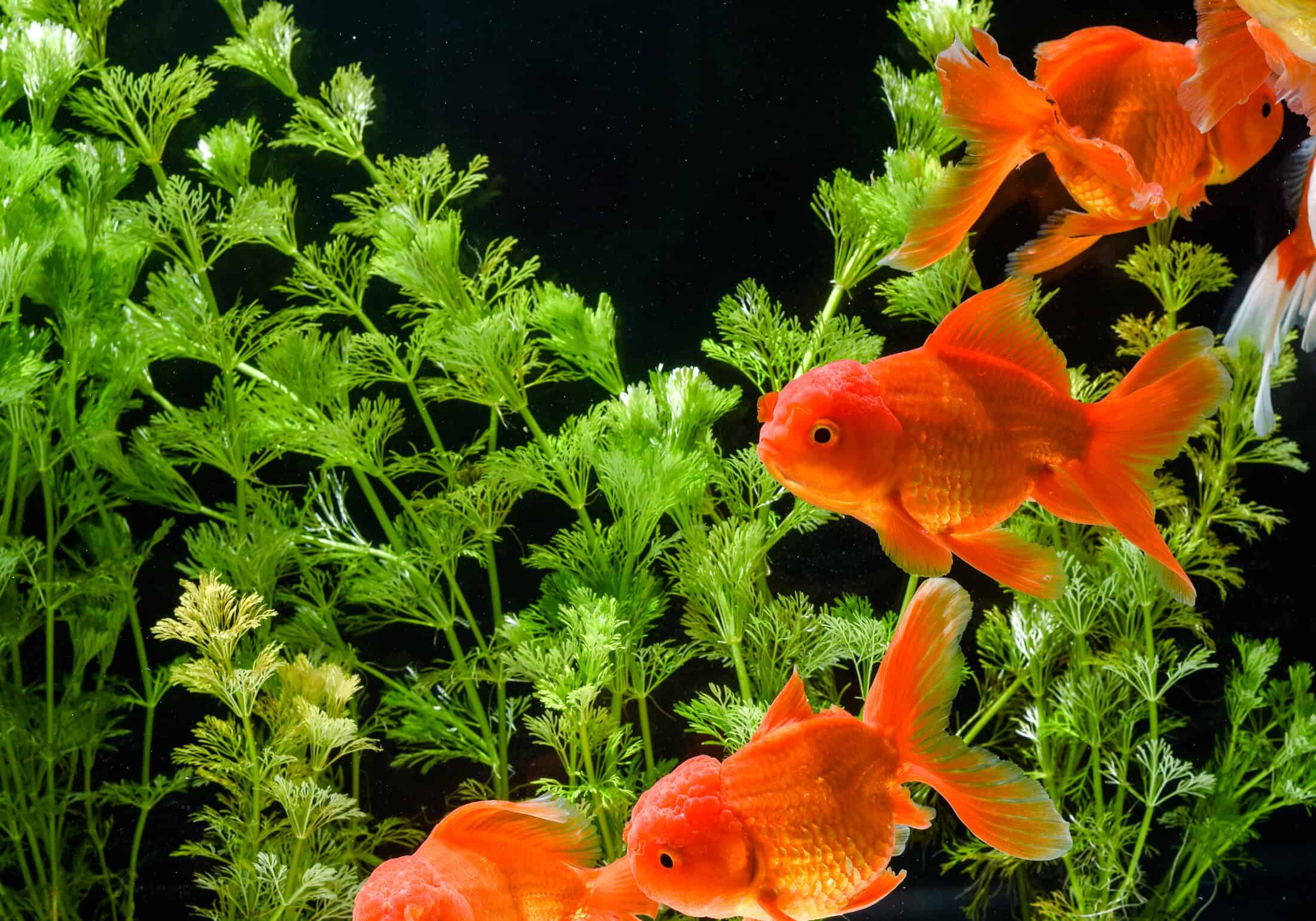
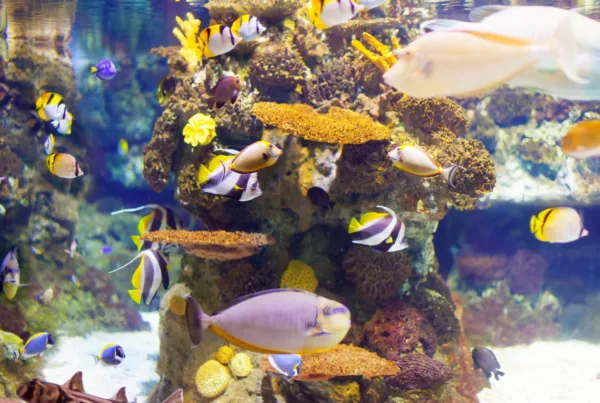
Fish-only systems focus primarily on keeping marine fish healthy and thriving.
These aquariums can showcase some of the most spectacular fish species in the world while generally allowing for a wider range of water parameters and management approaches.
They still require proper filtration, stable water quality, and professional design, but they are often more forgiving than reef systems.
For many clients, a fish-only aquarium offers an excellent balance between visual impact and ease of ownership.
Reef Aquariums
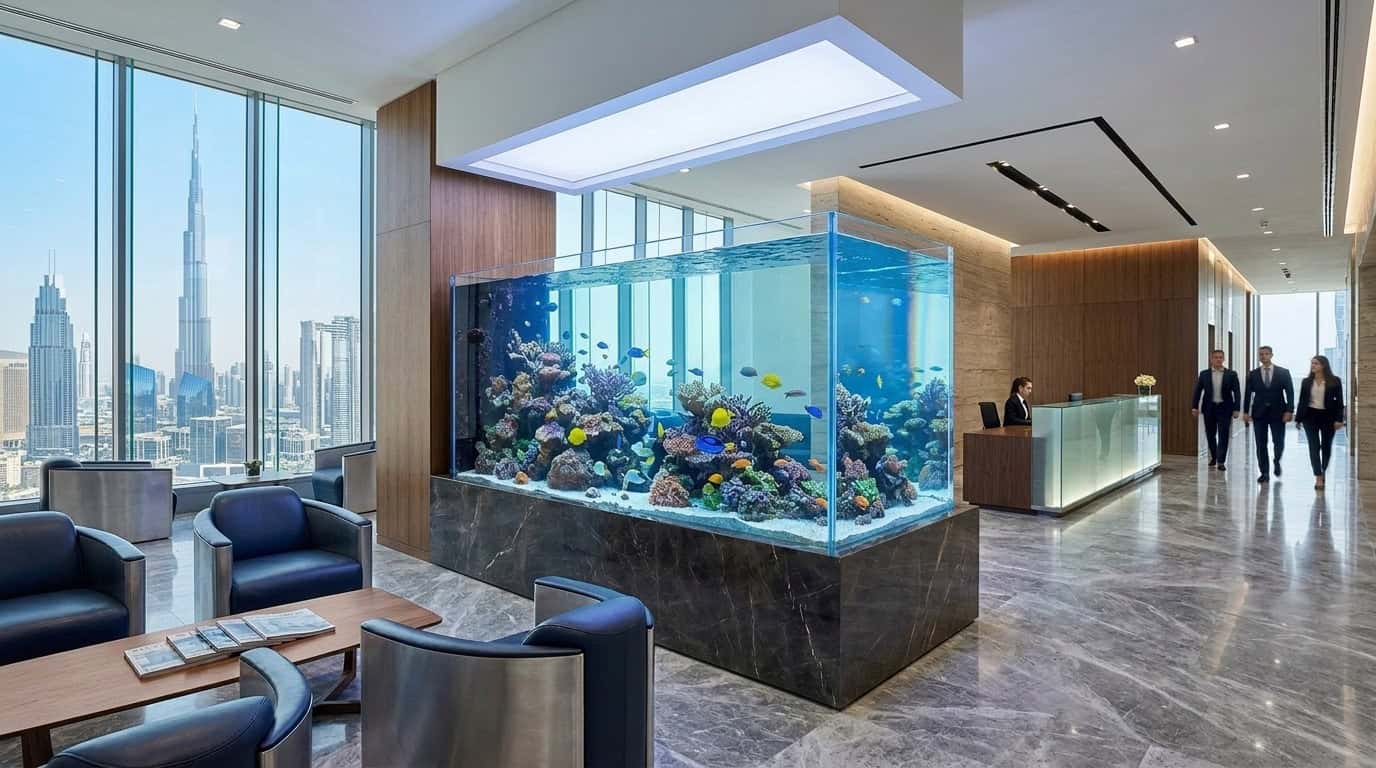
A reef aquarium is an entirely different ecosystem.
In addition to fish, reef systems contain living corals, each with specific requirements for lighting, water chemistry, flow, nutrient levels, and overall system stability.
Corals are not simply decorations—they are living animals that require an environment capable of supporting their long-term growth and health.
A successful reef aquarium demands a far greater understanding of biology, chemistry, lighting, and aquatic life support systems.
Why Reef Aquariums Are Less Common in the Region
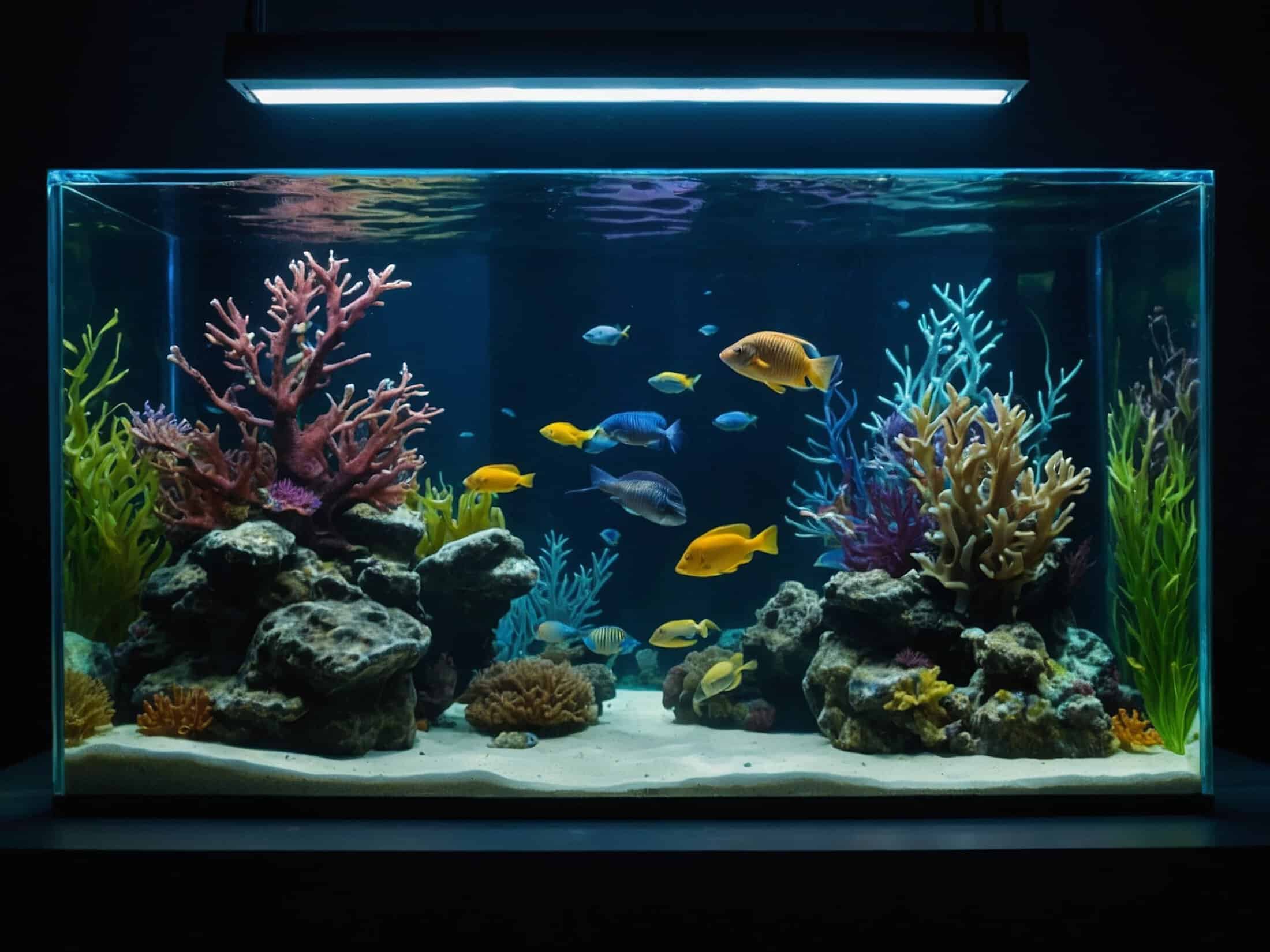
Many companies avoid reef projects altogether.
The reason is simple: reef aquariums require specialised expertise and ongoing understanding that extends far beyond standard aquarium installation.
When not properly designed or maintained, reef systems can quickly encounter issues with algae, unstable chemistry, coral stress, or livestock losses.
As a result, many providers choose to focus exclusively on freshwater or fish-only marine systems where the risks are lower.
Our Background in Coral Farming
At Nature’s Nook, reef aquariums occupy a special place within our expertise.
Long before building custom reef displays for clients, we were actively involved in coral farming operations throughout Asia, with more than two decades of hands-on experience working with coral propagation, reef ecosystems, and advanced marine husbandry.
This experience provides a level of understanding that cannot be learned solely through equipment manuals or aquarium installations.
We understand not only how to build reef systems, but how to grow and sustain living coral ecosystems over the long term.
Building Reefs for the Future
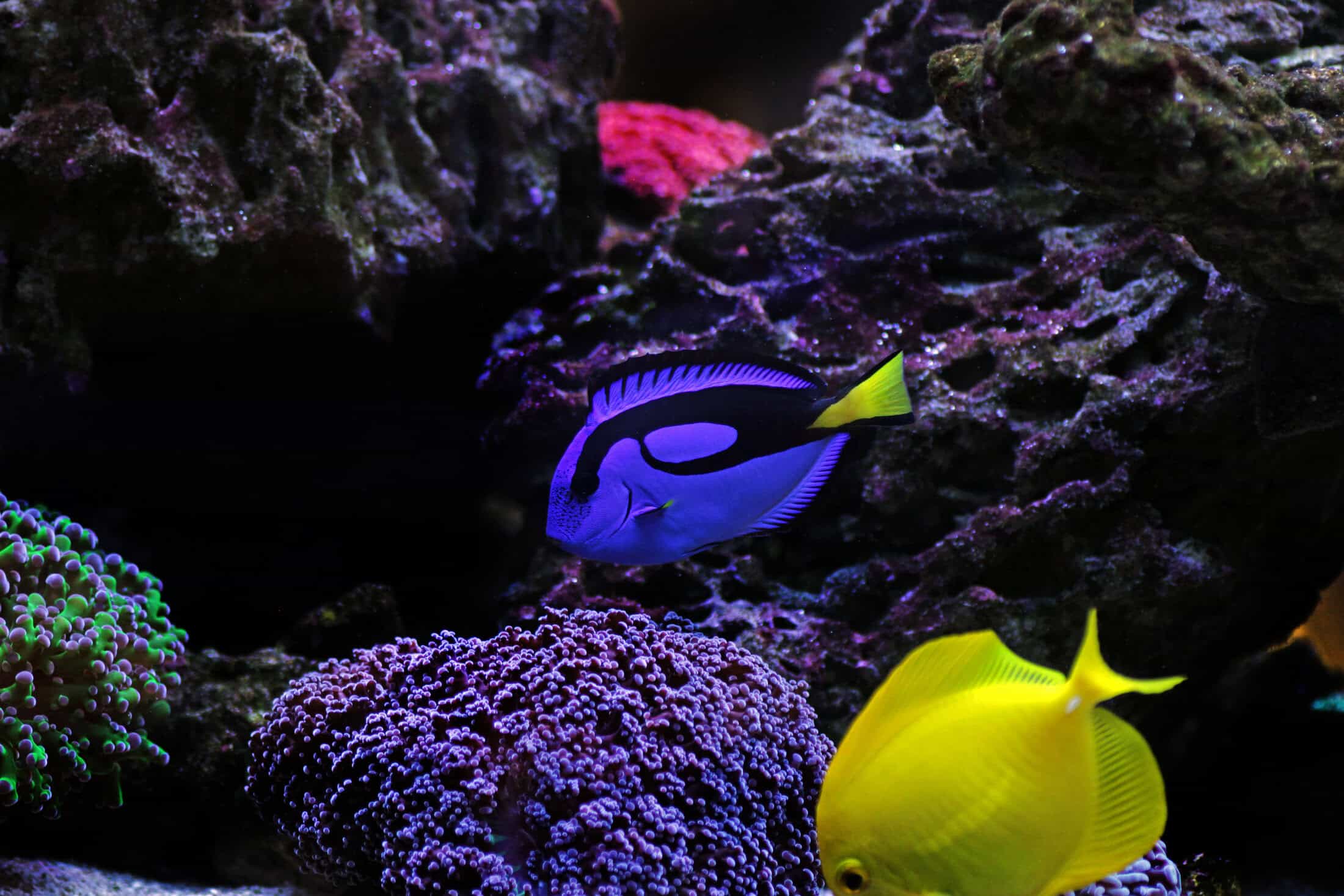
The most successful reef aquariums are not the ones that look their best on installation day.
They are the ones that continue to mature, grow, and improve year after year.
Achieving that requires thoughtful system design, proper equipment selection, stable water chemistry, appropriate flow patterns, and a deep understanding of the living organisms within the aquarium.
For clients who dream of bringing a living coral reef into their home or business, Nature’s Nook offers something rare in the region: decades of real-world reef and coral farming experience combined with the engineering expertise required to turn that knowledge into a thriving display.
Because a true reef aquarium isn’t just built—it is cultivated.
Ready to Build Your Own Marine Aquarium?
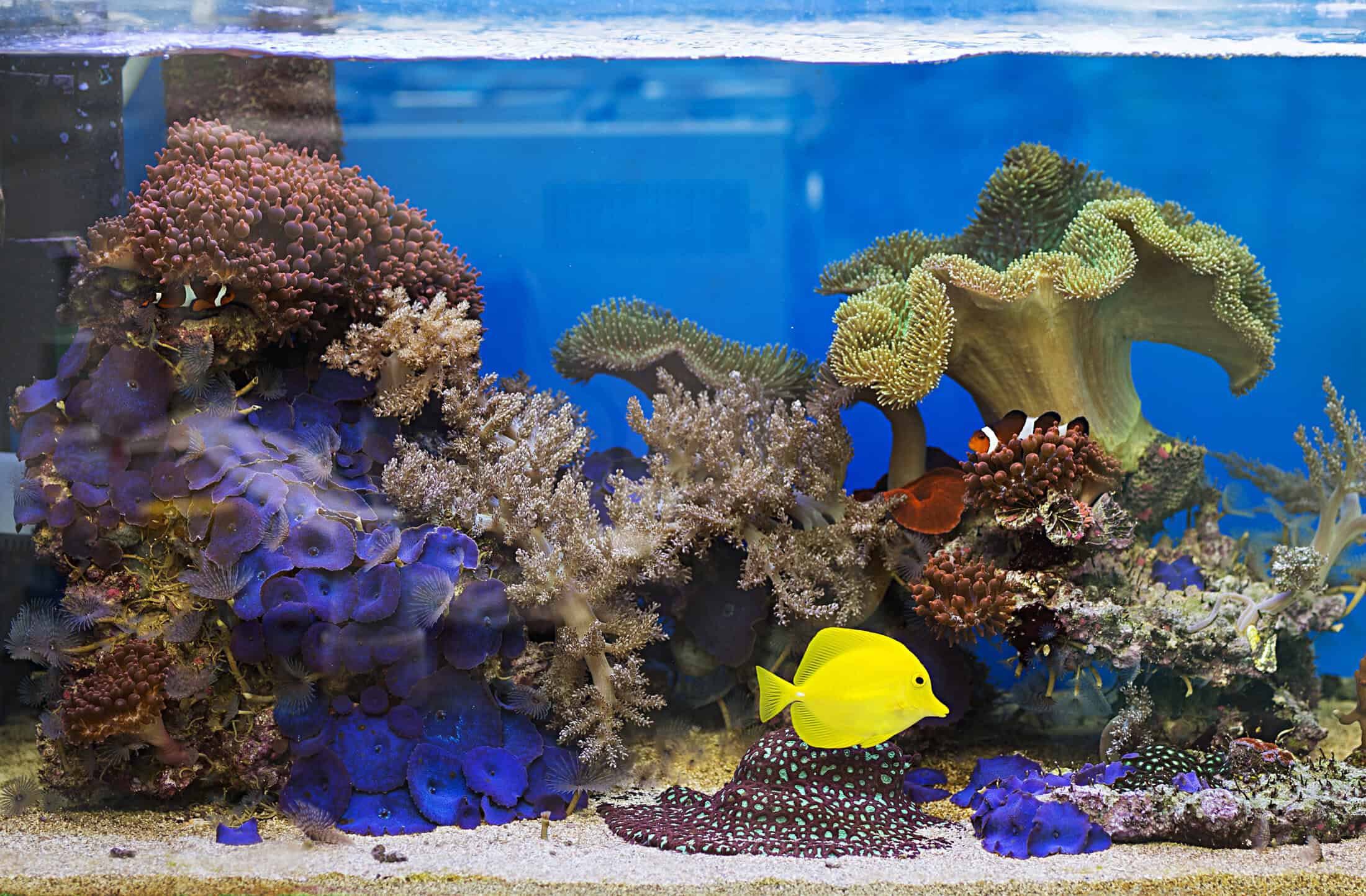
Whether you’re considering a stunning fish-only marine display or a thriving living reef ecosystem, the right design and expertise make all the difference.
At Nature’s Nook, we bring decades of hands-on experience in marine aquariums, coral farming, and aquatic life support systems to every project. From concept and installation to long-term maintenance, we help create aquariums that remain beautiful, healthy, and sustainable for years to come.
Contact Nature’s Nook today to discuss your marine aquarium project and discover how we can bring the beauty of the ocean into your home, office, or commercial space.
Whatsapp: +971 52 939 3934
Email: hello@naturesnookuae.com
Website: www.naturesnook.ae