Walk into any beautifully designed indoor nature display and you might find yourself wondering what you are actually looking at. Is it a terrarium? A vivarium? Or perhaps a paludarium? Many people use these names interchangeably, but they are very different. If you are planning to bring nature indoors or are exploring aquariums and living ecosystems for your home or office, understanding these differences is the first step toward making the right choice.
At Nature’s Nook, we help our clients create stunning natural displays that are both visually appealing and practical to maintain. Every project is planned according to the available space, the desired plants and animals, and the lifestyle of the owner. Whether you are looking for a peaceful green corner or a complete living ecosystem, knowing how each setup works will help you make a confident decision.
What Is a Terrarium?
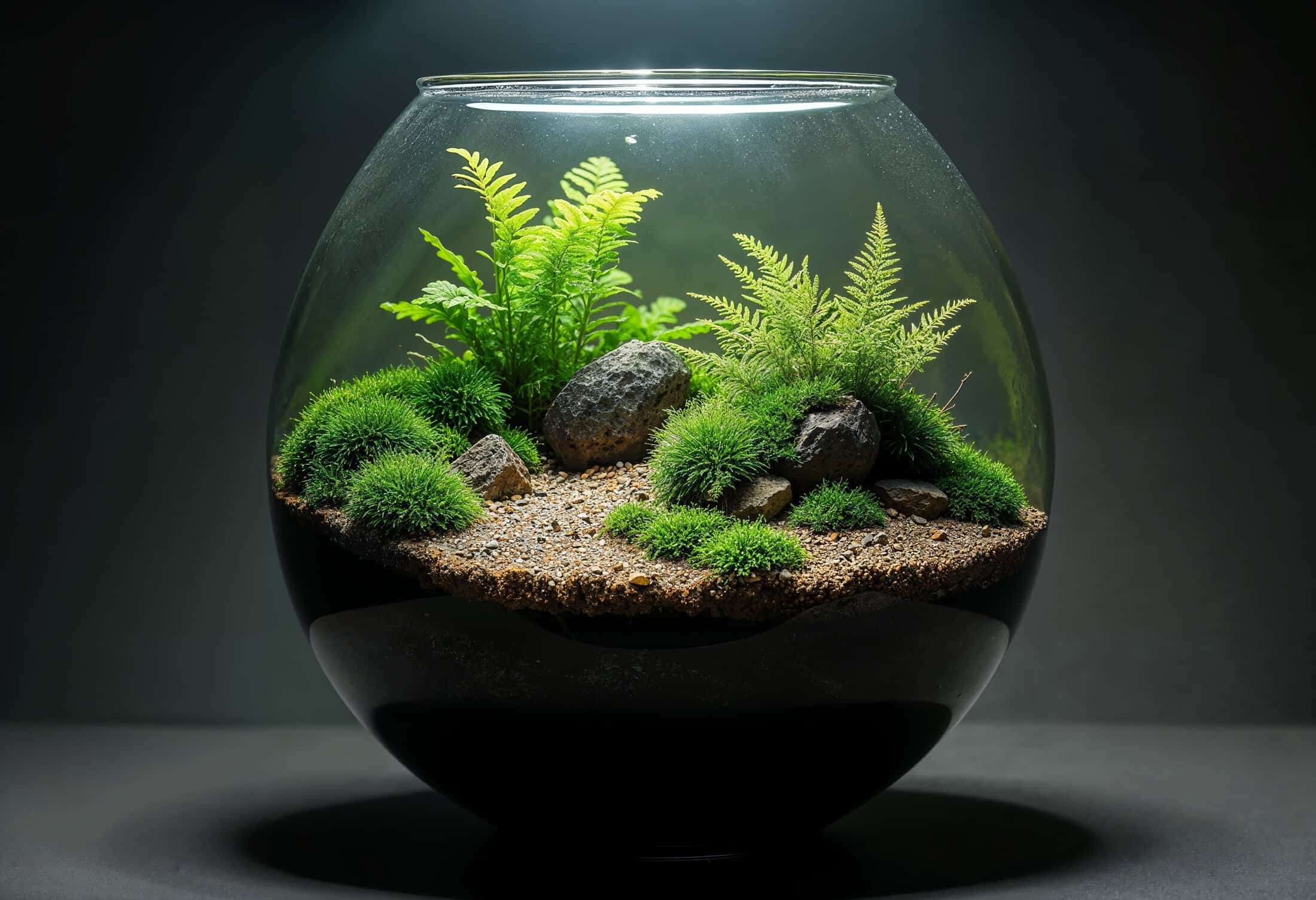
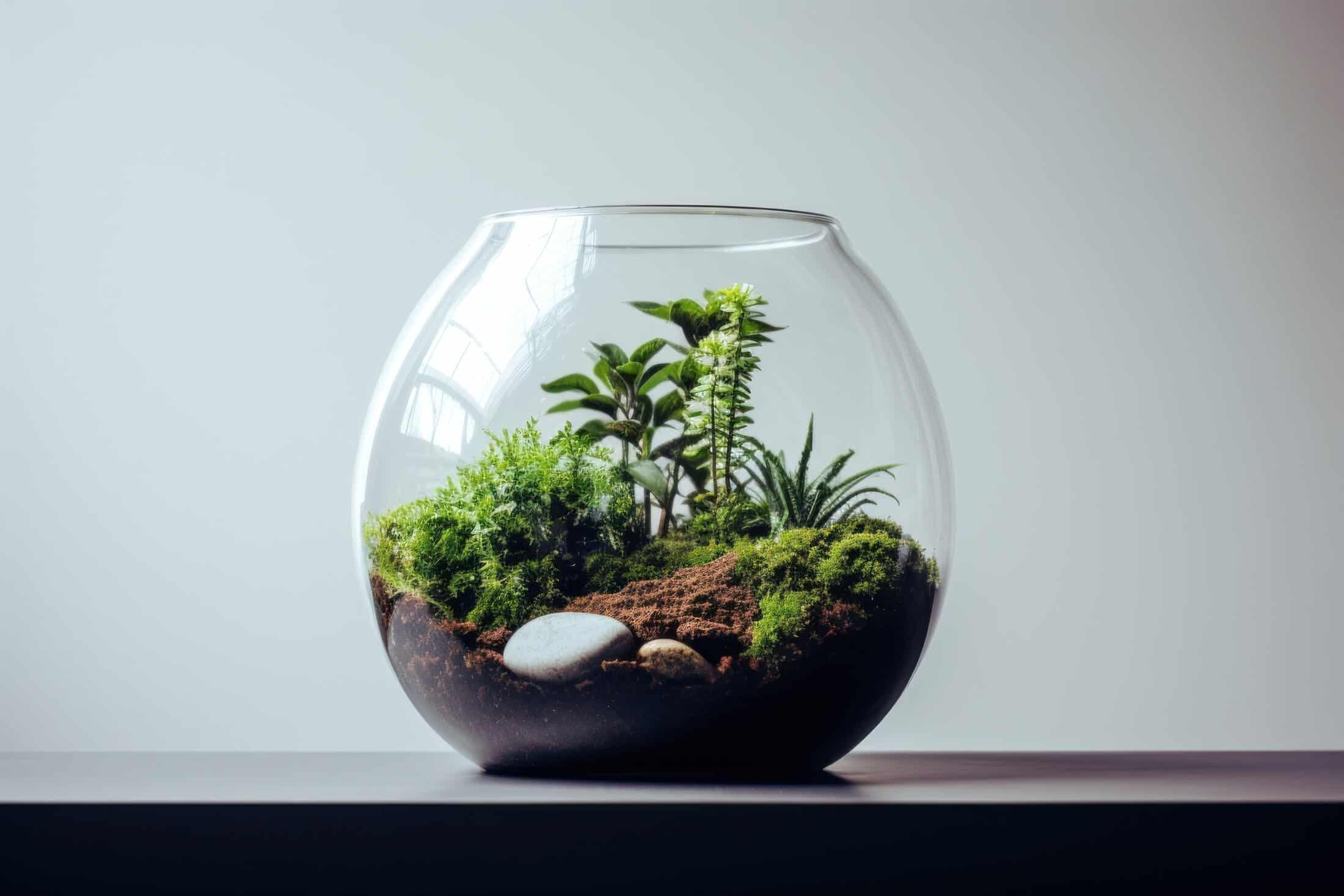
A terrarium is a glass enclosure designed mainly for plants. It recreates a small land based environment where moisture, light, and temperature work together to support plant growth. Depending on the design, a terrarium can be open or closed.
Open terrariums are ideal for plants that prefer dry conditions, such as succulents and cacti. Closed terrariums work better for tropical plants because they naturally retain humidity.
Terrariums are popular because they are compact, attractive, and easy to maintain. They fit perfectly in apartments, offices, and homes where people want to enjoy greenery without maintaining a full sized garden.
If your goal is simply to grow beautiful indoor plants with minimal maintenance, a terrarium is often the perfect choice.
What Is a Vivarium?
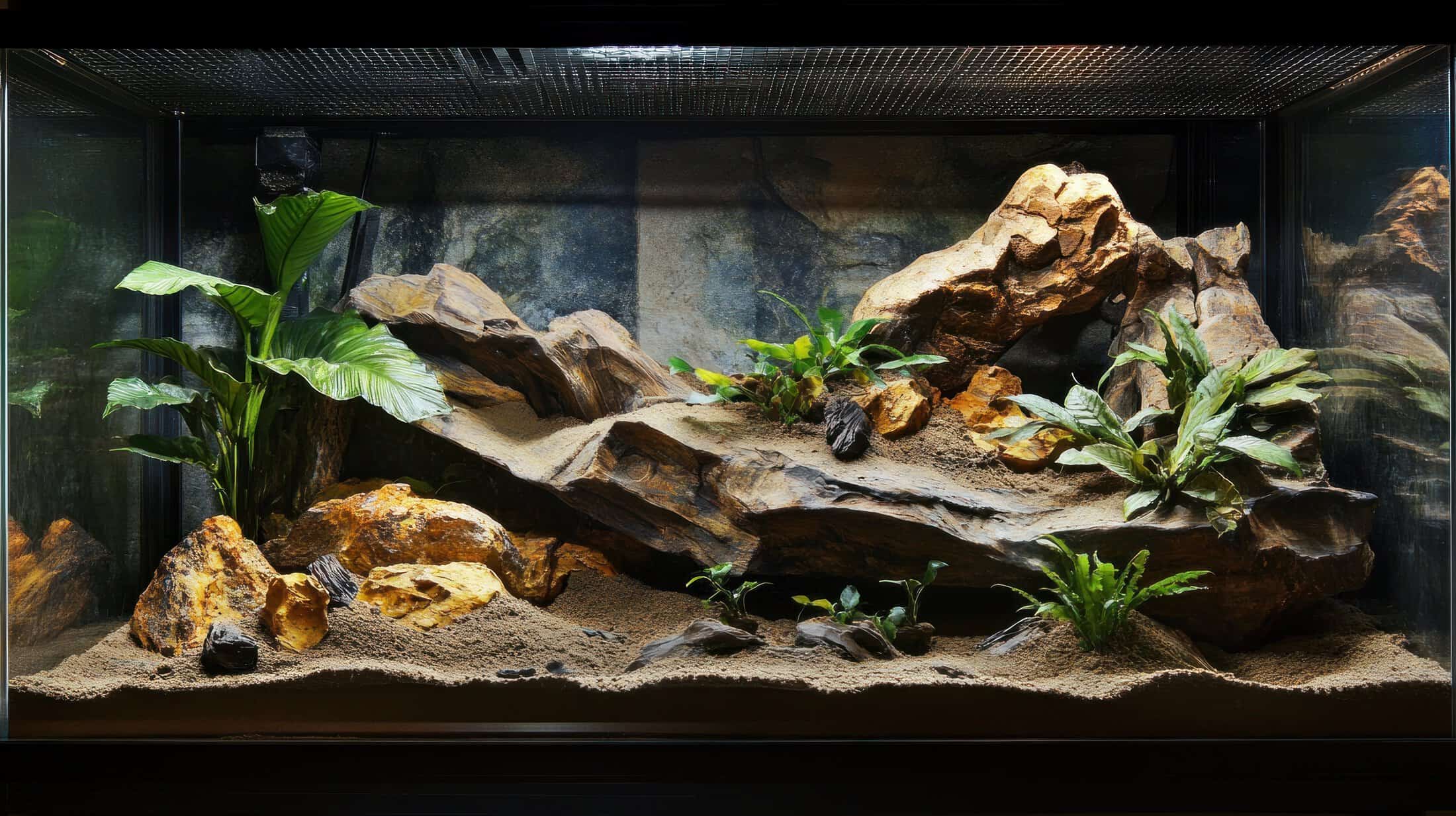
A vivarium is a living ecosystem designed to support animals along with plants. Instead of focusing only on decoration, a vivarium creates a balanced habitat where living creatures can thrive.
Depending on the design, a vivarium may house reptiles, amphibians, insects, or other small animals. The environment is carefully controlled with proper lighting, humidity, ventilation, and natural landscaping to meet the needs of its inhabitants.
Because animals are involved, vivariums require more planning than standard terrariums. Every element, from the choice of substrate to the placement of plants and hiding spaces, plays an important role in maintaining a healthy environment.
At Nature’s Nook, we carefully design vivariums that combine natural beauty with the practical requirements needed to support healthy ecosystems.
What Is a Paludarium?
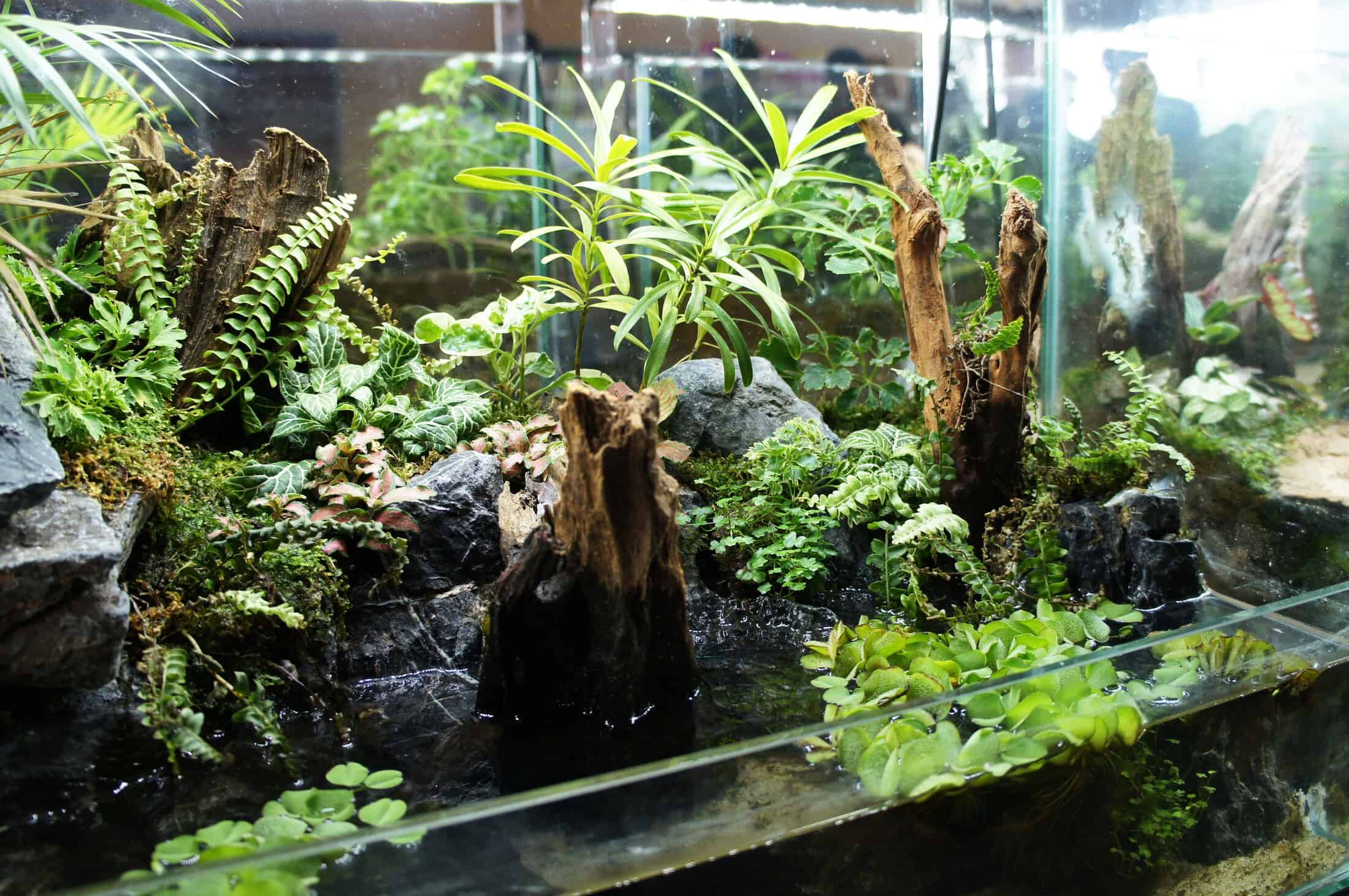
A paludarium combines both land and water into a single ecosystem. It is one of the most fascinating types of nature displays because it recreates environments commonly found along riverbanks, rainforest edges, waterfalls, and wetlands.
Unlike a traditional aquarium or terrarium, a paludarium features both aquatic and terrestrial sections. Fish, aquatic plants, mosses, tropical plants, and sometimes amphibians can all exist within the same enclosure when properly designed.
Building a successful paludarium requires careful planning. Water circulation, filtration, humidity, lighting, and drainage all need to work together to create a stable environment.
The final result is often a breathtaking display that feels like a slice of nature brought indoors.
Understanding the Main Differences
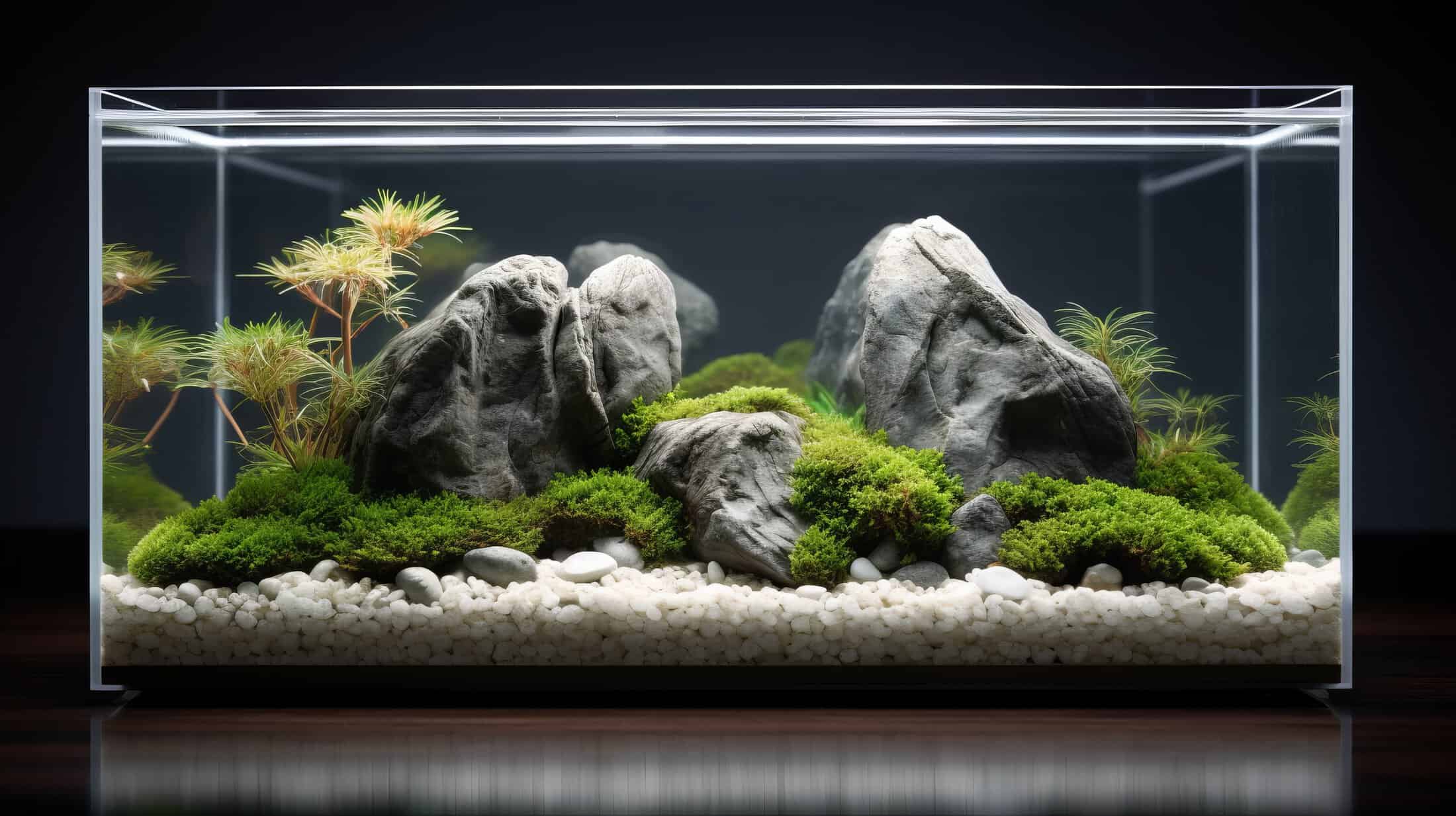
Although these three setups may look similar from a distance, they serve different purposes.
A terrarium focuses mainly on plants and land.
A vivarium focuses on creating a complete habitat for living animals along with plants.
A paludarium combines both land and water into one natural ecosystem.
The level of maintenance also varies. Terrariums generally require the least attention, while vivariums and paludariums demand more regular care because they support multiple living elements.
Your choice should depend on your available space, maintenance preferences, and the type of natural environment you want to enjoy indoors.
For those who enjoy aquatic environments, exploring professionally designed displays can also help you understand how larger ecosystems function. You may also enjoy reading our article about Rimless vs Braced Aquariums for Luxury Interiors, which explains how aquarium design can enhance modern living spaces.
If you are considering a larger aquatic installation, our guide on Why Large Aquariums Fail After Installation offers valuable insights into proper planning before investing in a custom setup.
These resources provide useful information for anyone planning to create a beautiful and long lasting indoor ecosystem.
Why Professional Design Makes a Difference
Many online tutorials make these ecosystems appear simple to build, but achieving long term success requires much more than placing plants inside glass.
Lighting must match the needs of the selected plants. Humidity levels should remain stable. Water quality must stay healthy where aquatic life is involved. Every material inside the enclosure should also be safe for living organisms.
At Nature’s Nook, every project begins with understanding your goals. We carefully select suitable plants, recommend compatible species when required, and create layouts that balance beauty with functionality. Our team focuses on creating ecosystems that remain healthy and enjoyable long after installation.
Whether you are designing a compact indoor display or planning a larger custom installation, professional planning can save both time and future maintenance costs.
Bringing Nature Into Your Space
Choosing between a terrarium, vivarium, and paludarium is not about selecting the most complicated option. It is about finding the ecosystem that best matches your lifestyle, experience, and personal taste.
Some people enjoy the simplicity of lush indoor plants. Others appreciate the fascinating interaction between animals, plants, and water. Every setup offers a unique way to experience nature inside your home or workplace.
At Nature’s Nook, we are passionate about creating beautiful living environments that inspire and educate. Whether you are exploring decorative ecosystems or custom Aquariums, our team is ready to guide you from concept to completion. If you are unsure which option is right for you, contact us today and let us help you design a natural masterpiece that perfectly suits your space.
What is the main difference between a vivarium and a paludarium?
A vivarium is designed primarily as a habitat for animals with plants, while a paludarium combines both land and water areas within the same ecosystem.
Does Nature's Nook design custom vivariums and paludariums?
Yes. We design custom living ecosystems that match your available space, aesthetic preferences, and maintenance requirements while ensuring a healthy environment.
Can you help choose the right plants and materials?
Absolutely. Our team carefully selects suitable plants, substrates, lighting, and other components based on the type of ecosystem you want to create.
Do you provide maintenance advice after installation?
Yes. We guide our clients with practical maintenance recommendations to help their ecosystem remain healthy, attractive, and sustainable over time.
How can I get started with Nature's Nook?
Contact us. Our team will discuss your ideas, recommend the most suitable solution, and help you create a custom living ecosystem designed specifically for your space.