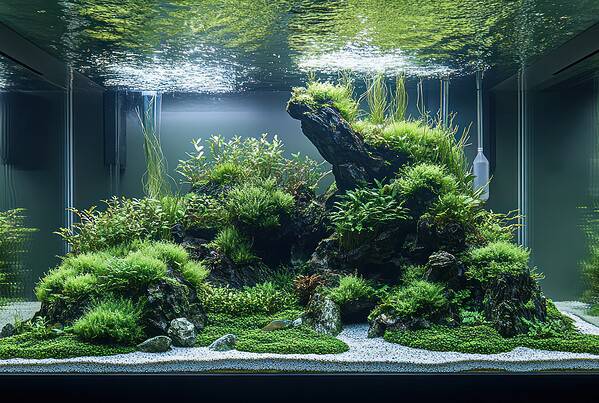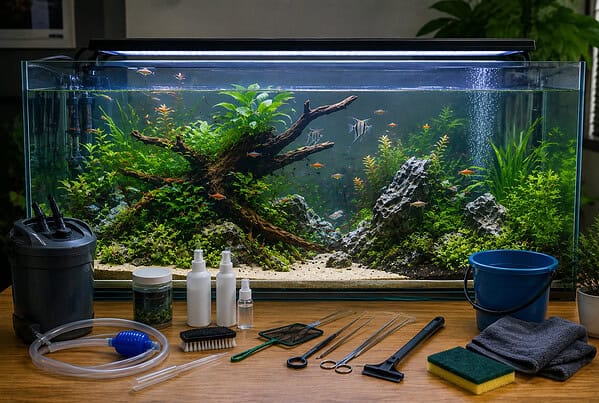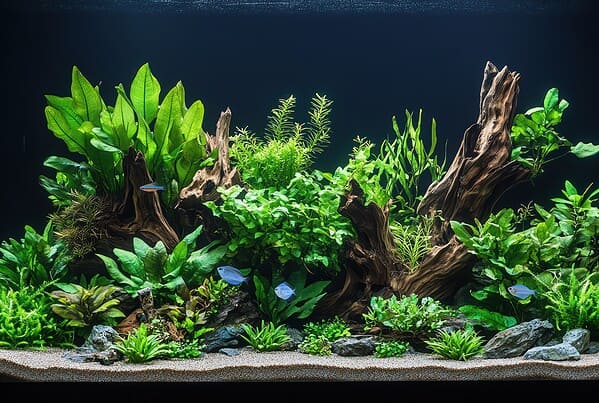
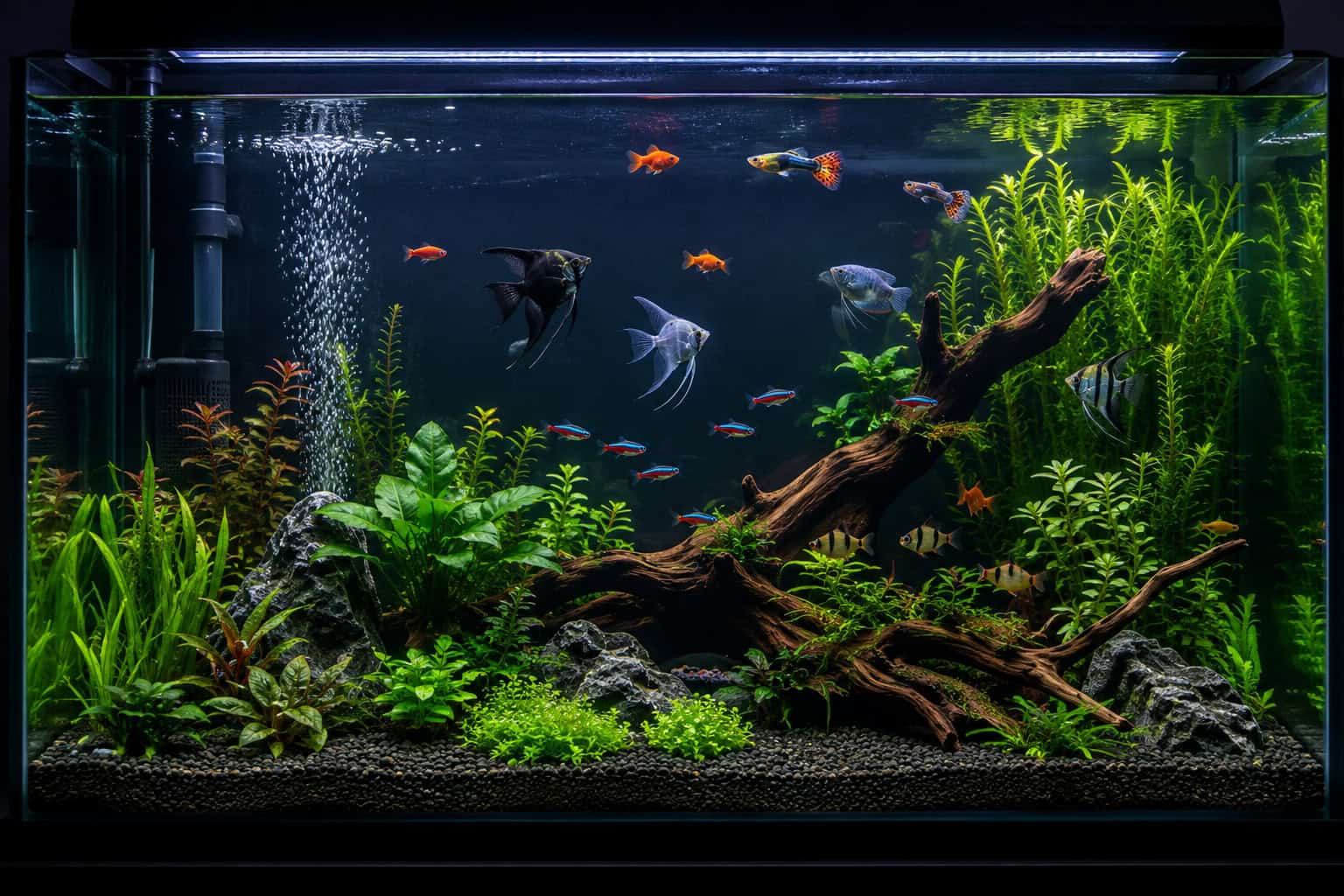
A new fish can change the whole feel of an aquarium. One moment you have a calm, familiar underwater world, and the next you are watching a newcomer explore every corner of the tank. With Custom Aquariums, where every part of the environment is carefully planned, adding new fish should be done with the same level of care. At Nature’s Nook, we look at an aquarium as a complete living ecosystem, with water quality, livestock, filtration, aquascaping and long term care all working together.
Check Your Aquarium Before Adding New Fish
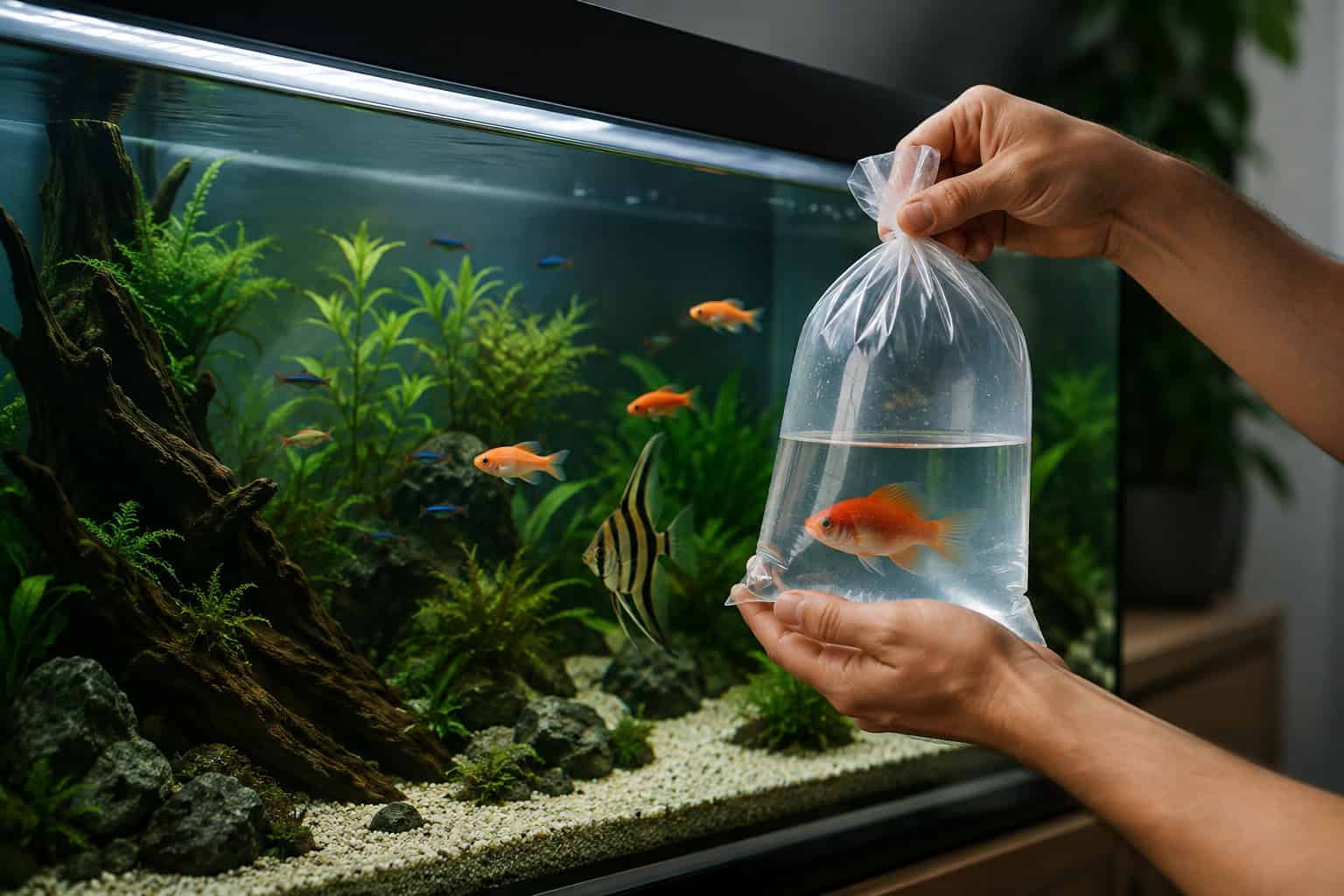
Before bringing a new fish into an established aquarium, take a close look at the current conditions. Check the water quality, temperature and filtration system. Make sure the existing fish are healthy and behaving normally.
It is also important to think about the size of your aquarium and the number of fish already living inside it. Adding too many fish at once can increase waste levels and place extra pressure on the filtration system.
At Nature’s Nook, our approach is focused on maintaining a balanced aquatic environment rather than simply adding livestock to a tank. Our aquarium services include care for both freshwater and marine systems, with attention to water balance and the health of the ecosystem.
Choose Fish That Can Live Together
Not every fish is a good match for an established community. Before buying a new fish, research its size, temperament, swimming habits and water requirements.
Some species are peaceful and comfortable in community settings, while others may become territorial. A fish that looks small and harmless in a shop can behave very differently after entering a new environment.
Consider the fish you already have as well. If they are territorial or easily stressed, introducing a new species may require extra planning. The goal is to create a community where the fish have enough space and suitable conditions to live comfortably.
Give the New Fish Time to Adjust
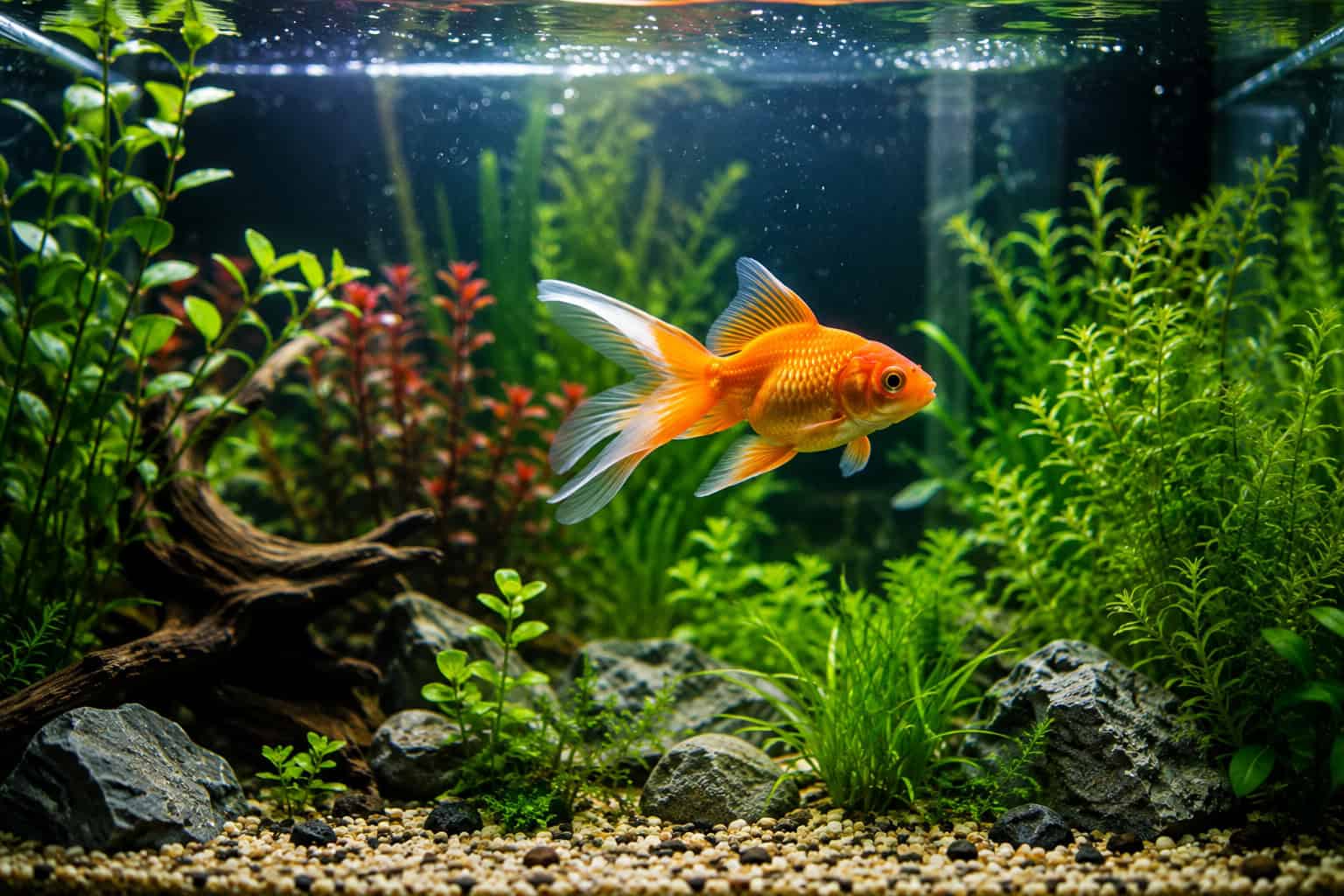
Moving from one aquarium to another is stressful for fish. Differences in temperature and water chemistry can affect them, so avoid placing a new fish directly into the aquarium.
Start by floating the sealed transport bag in the aquarium for around fifteen to twenty minutes. This allows the temperature inside the bag to gradually become closer to the aquarium temperature.
After that, slowly add small amounts of aquarium water to the bag over the next twenty to thirty minutes. This gives the fish time to adjust to the new water conditions.
Once the fish has had enough time to acclimatise, gently transfer it into the aquarium using a suitable net. Avoid pouring transport water into your established tank whenever possible.
Keep an Eye on the Fish After Introduction
The first few hours are important. A new fish may hide, swim cautiously or remain close to plants and decorations. This does not always mean something is wrong. It may simply need time to feel comfortable.
Watch for aggressive behaviour from existing fish. Chasing, repeated nipping or preventing the new fish from reaching food can be signs of a compatibility problem.
Keep feeding light during the first day and observe how the fish respond. Overfeeding can create unnecessary waste, especially when the aquarium is adjusting to an increased biological load.
Consider the Aquarium Environment
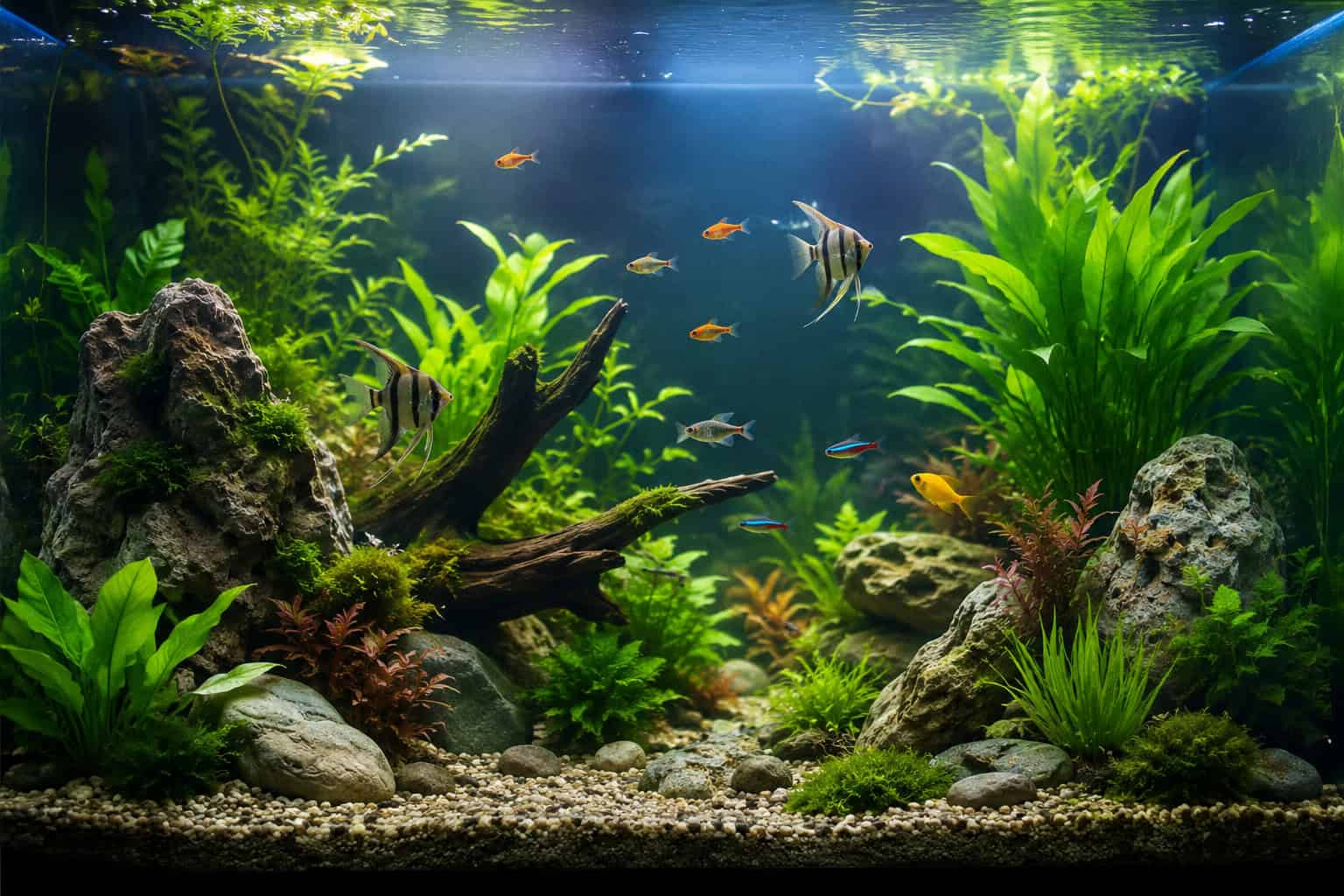
The physical design of the aquarium can make a difference too. Plants, rocks and other natural features can provide shelter and help fish establish their own spaces.
Lighting also deserves attention after introducing new livestock. A sudden change in lighting can add unnecessary stress, particularly when the fish is already adjusting to a new environment. If you are interested in how aquarium lighting affects fish, plants and the overall appearance of a tank, our guide on How Lighting Changes the Look of Aquariums offers useful information on choosing the right balance.
Do Not Rush the Process
One of the easiest mistakes to make is adding several new fish at the same time. Introducing livestock gradually makes it easier to monitor behaviour and gives the aquarium filtration system time to adapt.
If you are unsure whether a particular fish is suitable for your aquarium, getting professional advice before purchasing it can save you from problems later. This is especially useful for carefully designed Custom Aquariums where livestock selection needs to complement the entire ecosystem.
At Nature’s Nook, we provide thoughtfully designed aquatic environments for homes, offices and commercial spaces, along with maintenance and livestock care. Our philosophy centres on education, transparency and the long term wellbeing of the environments we create.
How long should I acclimate a new fish before adding it to my aquarium?
Usually, allow around thirty to forty minutes for gradual acclimation. The exact time can depend on the fish and the difference between the transport water and your aquarium conditions.
Can I add several new fish to my aquarium at once?
It is generally better to introduce new fish gradually. Adding several fish together can increase stress and suddenly increase the biological load on the aquarium.
What should I do if existing fish chase the new fish?
Watch the behaviour closely. Occasional chasing can happen while fish establish their hierarchy, but continuous aggression, biting or preventing the new fish from eating requires attention.
Can Nature’s Nook help with aquarium livestock and maintenance?
Yes. Nature’s Nook provides aquarium maintenance and livestock care, with services focused on water quality, equipment, lighting, livestock health and overall ecosystem care.
How can I get advice before adding fish to my aquarium?
Contact us at Nature’s Nook to discuss your aquarium, livestock requirements and maintenance needs. Our team can help you plan the right approach for your Custom Aquariums and guide you towards a healthy, well balanced aquatic environment.